Do Filipinos Speak Spanish? Discover the Secret Linguistic Bond
Wondering if Filipinos speak Spanish? Discover the deep historical roots, thousands of loanwords, and the unique Chavacano creole in this linguistic guide.
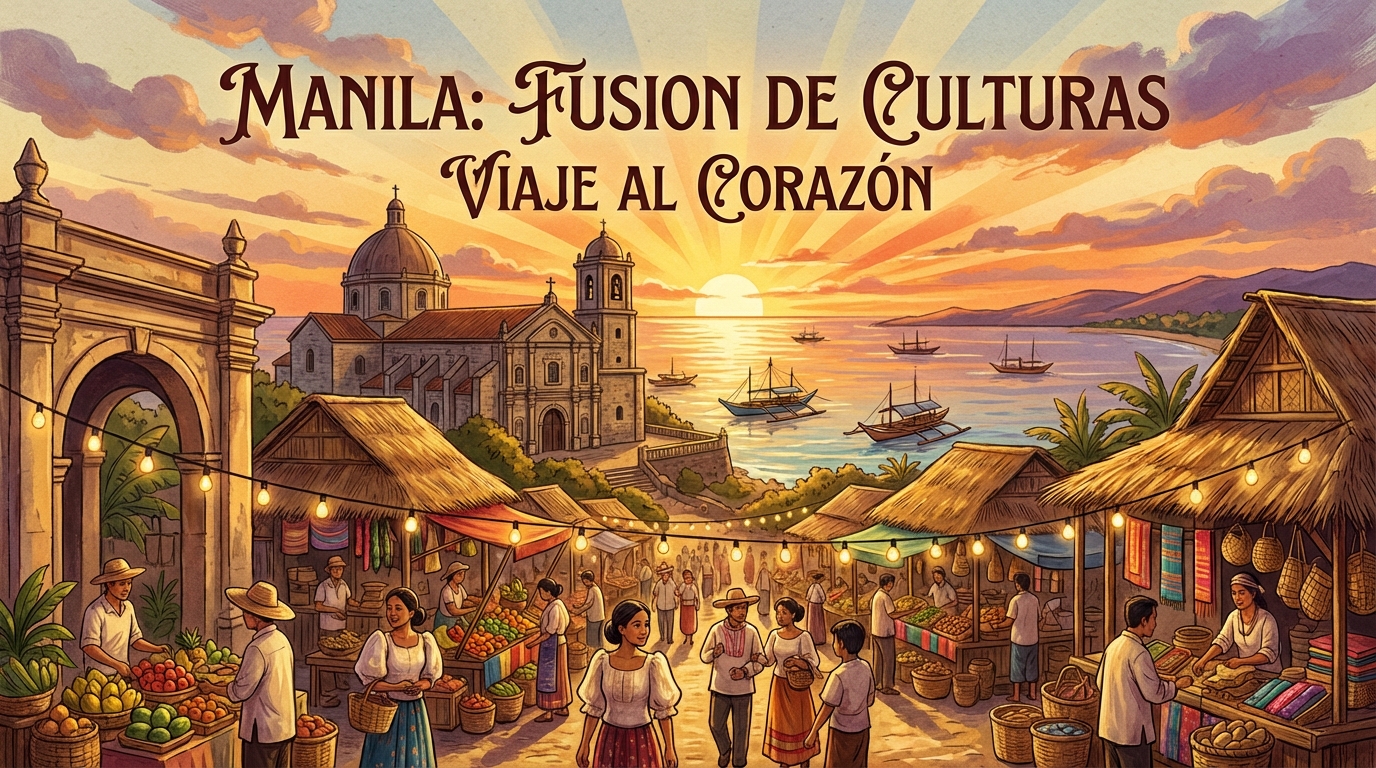
If you’ve ever walked the streets of Manila or Cebu and heard people say "Kumusta" or "Baso", you might have done a double-take. You weren't imagining it—those are direct descendants of the Spanish words ¿Cómo está? and vaso.
But does that mean Filipinos speak Spanish? The short answer is: Not quite, but the influence is everywhere.
Whether you're a language learner curious about the Philippines' history or a traveler wondering if your Spanish will help you on your next trip, here is everything you need to know about the secret linguistic bond between Spain and the Philippines.
300 Years of History in Every Word
For over three centuries (1565–1898), Spanish was the sole official language of the Philippines. It was the language of government, education, and the elite "Ilustrados." While it was replaced by English as the primary lingua franca during the American occupation, it left an indelible mark on the local languages.
Today, Tagalog (the basis of the Filipino national language) contains an estimated 20% to 33% Spanish loanwords. From days of the week to household items, the Spanish legacy is alive in every conversation.
Common Spanish Loanwords in Filipino:
- Baso (from Vaso) – Glass
- Silya (from Silla) – Chair
- Pula (from Color / Rojo - though Pula is Austronesian, words like Azul are often used in other dialects)
- Pader (from Pared) – Wall
- Kutsara (from Cuchara) – Spoon
Chavacano: Asia’s Only Spanish-Based Creole
While standard Spanish is spoken by less than 1% of the population today, there is a fascinating exception: Chavacano.
Spoken primarily in Zamboanga City, Chavacano is a Spanish-based creole language. It uses a predominantly Spanish vocabulary with grammar influenced by local Philippine languages. For a Spanish speaker, hearing Chavacano feels like seeing a familiar face in a crowd—you recognize the words, even if the structure feels beautifully unique.
Must-Watch: The Story of Spanish in the Philippines
To truly understand this cultural blend, check out these excellent videos that dive deep into the history and current status of the Spanish language in the islands.
1. Why Do They Speak Spanish in The Philippines?

Channel: StoryLearning Spanish
Theme: HISTORY & CULTURE
Focus: The rise and fall of Spanish in the Philippines and why it remains important today.
2. Do Filipinos speak Spanish? | DEBUNKING MYTHS

Channel: Trisha Velarmino
Theme: TRAVEL & LINGUISTICS
Focus: Real-world experiences of a Filipino backpacker using Spanish and exploring the linguistic similarities.
Why Spanish Learners Should Care
If you are learning Spanish, the Philippines offers a unique "cultural mirror." Understanding the history of Spanish in the Philippines can deepen your appreciation for how languages evolve and adapt.
Moreover, if you speak Spanish, you’ll find that many Filipino culinary terms, surnames, and city names are instantly familiar, making your travels in Southeast Asia feel a bit more like home.
Ready to Start Your Spanish Journey?
Whether you're interested in the history of the Philippines or simply want to master one of the world's most beautiful languages, LangTrak is the perfect companion.
- Immerse Yourself: Watch amazing Spanish content (like the videos above) and track your progress naturally.
- Practice with AI: Our Spanish Vocab Trainer can help you practice speaking in a low-pressure environment, focusing on the vocabulary that matters to you.
- Explore the Legacy: Use your Spanish skills to unlock the history of the Philippines and beyond.
Start tracking your Spanish progress today with LangTrak!
Internal Links for Further Reading:
- Top 5 YouTube Channels for Spanish Comprehensible Input
- Virtual Immersion: Traveling Through Spanish
Happy Learning! 🇵🇭🇪🇸
Related Articles
Best Comprehensible Input YouTube Channels in 2026 (French, German, Russian, Spanish)
The best comprehensible input YouTube channels in 2026, ranked by language and level. Discover French CI, German CI, Russian CI, and Spanish CI channels — all trackable on LangTrak.
Best YouTube Channels for Learning Spanish in 2026
Master Spanish with the best YouTube channels of 2026. Explore resources for every level, from Español con Juan to Spanishland School.
Virtual Immersion in Spanish-Speaking World
How to use travel-specific comprehensible input and AI tutors to prepare for your next adventure in the Spanish-speaking world.